

Top Telemedicine Trends After COVID-19 in 2025
After the COVID-19, telemedicine is no longer the same. Online doctor visits became common to many individuals during the pandemic. In 2025, however, telemedicine is even more popular. This article discusses the primary trends of telemedicine after the COVID 2025.
You will also get to know how physicians and patients apply the new technology to remain healthy. New tools that will help with doctor visits and make it easy and safe will also be examined.
Telemedicine refers to the process of receiving health care using computers, phones or any other device. It assists individuals to visit doctors without visiting a clinic. This transformation is beneficial on numerous occasions such as time saving and prevention of germs.
An Increased number of People in Telemedicine in 2025
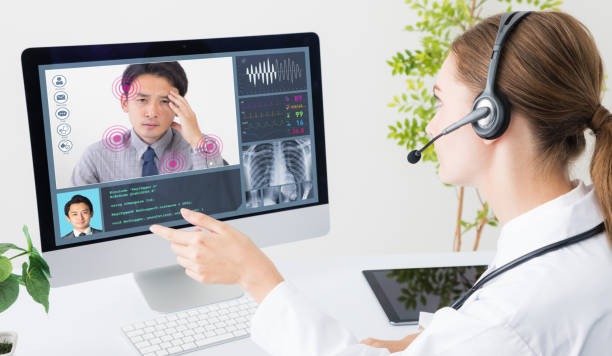
Telemedicine became popular with many individuals after COVID-19. In 2025, this trend continues. Increased numbers of patients prefer visiting doctors at home. It is easy and fast. Telemedicine is very useful to older people and those who are remote to hospitals. Physicians can examine the health of patients using video calls or applications.
Patients will be able to pose questions without leaving their homes. This conserves time and money of the patients and physicians. Due to this fact, visits via telemedicine have increased significantly since the pandemic. Online doctor visits are now more trusted by people. This trend is here to stay.
Telemedicine is improved with the help of new technology
Telemedicine in 2025 is based on new technology that provides superior care. Smart devices such as smartwatches and health trackers are sending data to physicians. These gadgets monitor heart rate, blood pressure and others. This information is visible to physicians in real time. It makes them know how a patient experiences his or her daily life.
In addition, artificial intelligence (AI) assists doctors through providing prompt suggestions. AI, however, does not substitute doctors; it makes them make more optimal decisions. Therapy and training is also done in virtual reality (VR). Telemedicine has become smarter and more beneficial through these new tools.
Mental Health Care and Telemedicine
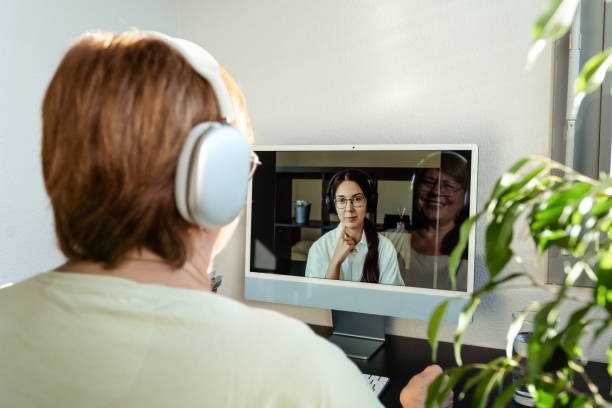
Online mental health care is one of the major changes that will happen after COVID-19. A large number of individuals experience stress or depression on the post-pandemic level. With telemedicine, it is easier to seek assistance.
Counselors or therapists can speak with their patients using video calls. This is intimate and easy going. Individuals are able to obtain treatment at the comfort of their homes without having to wait long.
Online mental health care is one of the leading trends of telemedicine in the post-COVID 2025 world. It made a lot of individuals feel better. It eliminates the issue of commuting to the offices and time is saved. Patients also receive support between visits as the use of mental health apps.
Chronic Disease Management Telemedicine
In 2025, it is easier to manage long-term illnesses through telemedicine. Such diseases as diabetes and heart issues require checkups. Apps enable patients to transmit health information to their physicians. This information is monitored by the doctors and advice is provided promptly. This prevents inpatient care and keeps patients healthy.
Telemedicine also reminds the patients to take medicine in time. It enhances wellness and reduces expenses. This pattern reveals that telemedicine is able to assist in the continuation of care and not just fast doctor consultation.
Telemedicine and Health Inequality
Telemedicine assists a large number of individuals to receive health care where none would have previously. It works well with the rural or poor people. As of 2025, the trend in telemedicine after the COVID 2025 is expected to involve serving additional patients. Phones and internet are provided to people who need them through programs.
This renders doctor visits to all individuals. In addition, telemedicine also provides language assistance to individuals with other languages. The changes assist in making health care accessible and fair. Telemedicine is demolishing the health care boundaries.
Table: Telemedicine Benefits vs. Challenges in 2025
| Benefits | Challenges |
| Easy access to doctors | Internet needed |
| Saves time and travel costs | Not good for all emergencies |
| Helps manage chronic disease | Privacy concerns |
| Supports mental health care | Some people need training |
| Reaches rural and poor areas | Technology costs |
Conclusion
The trends in telemedicine after the COVID 2025 reveal significant transformations in health care. The visits to the doctors are more commonly made online. New technology provides care which is better and quicker. Chronic disease care and mental health has a lot of benefits. Telemedicine is also beneficial to individuals living too far or those who have lower incomes.
Certain issues such as the internet connectivity and privacy exist. Telemedicine, however, on the whole is simplifying health care to a lot of people. It will continue to expand and assist more individuals to be healthy.
FAQs
Q1: What is telemedicine?
A1: Telemedicine is visiting the doctor with the help of the phone, computer or through the app rather than attending a clinic.
Q2: What was the increased telemedicine following COVID-19?
A2: Individuals preferred to remain at home and not go to hospitals, thus, they used online visit to doctors more.
Q3: Is telemedicine applicable in mental health?
A3: Yes, a lot of people now receive therapy and counseling over the Internet, and it is a secret and convenient process.
Q4: Do Telemedicine call special equipment?
A4: Internet access is typically sufficient, either a phone or a computer. There are also people who wear health trackers.
Q5: Does telemedicine work as a safe method in all conditions?
A5: It works well with numerous problems but not with serious crises. You should call 911 if it’s urgent.