

Self-Paced Learning vs Classroom Learning: Pros, Cons, and Key Differences
Introduction
People would like to understand what is the difference between classroom learning and self-paced learning. The issue of self-paced learning or classroom advantages and disadvantages holds significance to the students and the parents.
There are positive and negative aspects of both of these ways of learning. In this paper, these two styles will be described in a very simple manner. You will find out the peculiarities of each of the ways and which one can best fit you.
The key differences will also be examined so that you can make a wise decision regarding the way to learn. We should explore and find out what self-paced learning and classroom learning are all about.
What Is Self-Paced Learning?

Self-paced learning refers to the acquisition of learning on your own. You need not plan and study when to study and how quickly. Videos, books, and online courses are usually used in this type of learning. You do not need to have a strict schedule as in schools.
It is a good one when you desire to study at a free pace. You will be able to devote more time to difficult issues and less to easy ones. Self- Learning is liberating and empowering. It is difficult to be motivated, however, without a teacher.
You also do not have the physical discussion with classmates and teachers. This is the style that suits individuals, who prefer working independently and scheduling their time.
What Is Classroom Learning?
The conventional mode of learning is through classroom learning. It occurs in schools or colleges whereby a teacher is in charge of the lesson. There are times in which you have to be in class with other students.
The teachers discuss, provide assignments, and assist in case of questions. The educational process in the classroom is suitable when one is fond of questioning and conversing with others. It also aids the students in remaining on schedule due to some strict time schedule.
However, in some cases, the speed is too quick or too slow to certain students. You also lack the freedom of choice as to when and how to learn. Classroom learning is effective when one likes social environment and working in groups.
Pros of Self-Paced Learning
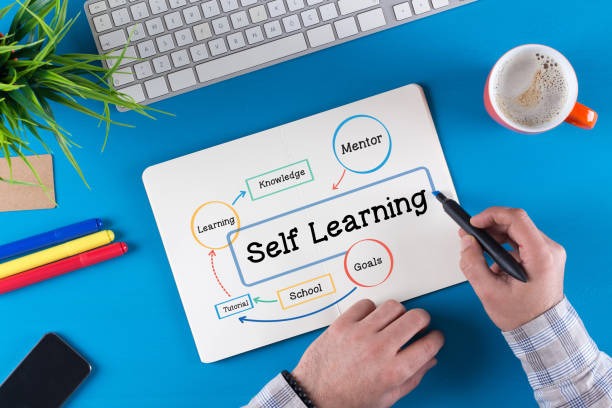
There are numerous advantages of self-paced learning. One big plus is flexibility. It is possible to study at any place any time. This is beneficial when you are in a hectic schedule or you have other obligations.
Your learning is also at your own pace hence you take more time in challenging subjects. It is fine with those who like to be self-sufficient students. Self paced classes are in many cases less expensive than classroom based classes.
In addition, you are able to repeat lessons in case you do not understand something. Self-discipline and time management skills are also acquired through this kind of learning. Yet, it requires a powerful motivation and proper planning to be successful.
Cons of Self-Paced Learning
Self-paced learning is good in a number of ways, but it has shortcomings. It is easy to be lonely without the presence of teachers or classmates to keep one motivated. There are individuals who struggle with concentration when they do not have a schedule.
You will also be unable to get instant assistance in cases of questions. Feedback may also be less individual and delayed. Self-paced learning requires access to internet and computer, not all people can afford this.
Young students may also have a hard time requiring additional guidance. Since you study by yourself, then it can be easy to drop out or lag behind. This type suits well when you are highly self-motivated and you are very organized.
Pros of Classroom Learning
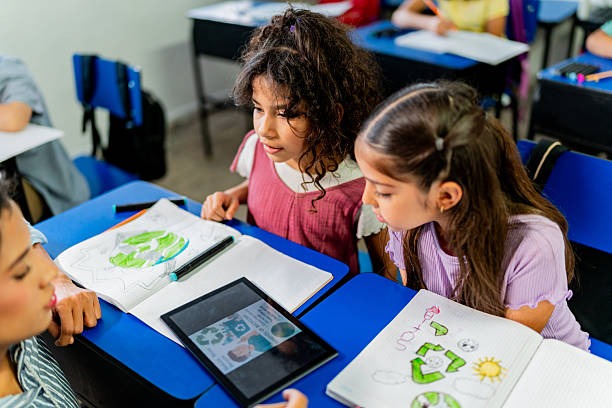
Learning in the classroom has good support both by teachers and classmates. You can have instant responses to your questions. The system of fixed schedule will aid you to stick to the discipline and to meet the deadlines. Learning processes become more enjoyable through group activities and discussions.
As teachers, they can modify their alterations in the way they teach so as to enable students to get a better understanding. Another opportunity that classroom learning provides is the ability to make new friends and develop the teamwork skills. The presence of a teacher is very convenient to younger students.
The organization of classroom learning is able to assist most people to concentrate and learn efficiently. It is appropriate to people who prefer learning with a group and to be able to interact face to face.
Cons of Classroom Learning
Classroom learning also has certain disadvantages. At times the speed does not suit everyone. It can be too fast or too slow to some students. You lack a choice of when and what to study. When you miss a class, it is difficult to get up to date. Learning in classes may be costly due to school fees and transportation.
It can also not be as accommodating to busy schedules or work. There are those students that are shy or stressed to speak before an audience. The unchangeable schedule might be inconvenient to all people. It is not a style that can suit an individual who prefers to work independently or at a pace that fits him/her.
Table: Comparing Self-Paced and Classroom Learning
| Feature | Self-Paced Learning | Classroom Learning |
| Schedule | Flexible, learn anytime | Fixed class times |
| Pace | Learn at your own speed | Set by the teacher |
| Interaction | Limited, mostly alone | High, with teachers and classmates |
| Cost | Usually cheaper | Can be more expensive |
| Motivation | Needs self-discipline | More guided and structured |
| Support | Less immediate help | Immediate help from teachers |
| Social Experience | Often alone | Social and group activities |
| Technology Needed | Strong internet and device | Less tech needed |
Major Disparities between Classroom and Self-Paced Learning
The largest dissimilarity is control. Self-driven learners determine the time and the rate of studying. In classroom learning, the students go by the plan and schedule of a teacher. Social interaction is another major difference. Learning in classrooms has more physical interaction with teachers and colleagues.
The self-paced learning is commonly performed individually online. In addition, classroom learning tends to provide more direct feedback and assistance. Self-directed learning takes a greater degree of self-motivation and good time abilities.
Conclusion
In brief, self-paced learning vs classroom advantages and disadvantages demonstrate that they have weaknesses and strengths. Self paced learning is flexible and allows one to learn at his/her speed but requires high levels of self control.
Classroom based learning is better supportive, social and more structured but less flexible. The best option is determined by your learning schedule, learning styles and your objectives.
Others go to an extent of applying both techniques so as to have the best of the two. These differences will aid you or your child to achieve success in learning. You have to think, consider what works best before making a decision. Happy learning!
FAQs
Q: Which is superior, self learning or classroom learning?
A: It depends on your style. Self-paced is nice in case you prefer flexibility. Classroom learning can be effective in case you are in need of support and social time.
Q: Is it possible to combine both these types of learning?
A: Yes, there are a lot of people who have self-paced courses combined with classroom classes.
Q: Does self-paced learning present more difficulty?
A: It could be in case you are not motivated and organized.
Q: Is it more expensive to learn in a classroom?
A: Sometimes yes, due to expenses and travelling.
A: Are self-paced learning and early childhood learners?
A: It is more difficult with young children who require additional support and instructions.