

Top Skills to Learn in 2025 for Future Jobs Success
The job market is changing at an alarming rate, therefore, to keep up with the current time, it is important to learn the appropriate skills. Some skills will be essential in the future workforce in 2025.
Knowledge of skills to be acquired in future employment 2025 is useful in enabling professionals to adjust to the current technological changes and changing sectors. This guide identifies the most marketable skills such as digital literacy to soft skills, which can increase your chances of achieving high employability.
As a student, a career changer, or an experienced employee, by focusing on these skills, you will be able to succeed in the long run in a dynamic workforce.
Digital Literacy and Technological Literacy
Digital literacy is one of the most crucial skills that should be acquired in the future jobs 2025. With technology influencing almost all sectors, it is crucial to be conversant with the digital tools, programs and various platforms.
Skills in such fields as cloud computing, data analytics, and cybersecurity may permit a variety of positions. Such technology-sensitivity enables employees to be effective in solving problems and adjusting to new software in a short period. Constantly learning new technologies is what makes you stay competitive and relevant in the future workplaces when digital competence is set as a minimum standard.
Advanced Data Analytics

Decision-making, which is based on data, is revolutionizing companies across the globe. Increased importance lies on skills in data analysis, interpretation and visualization. Knowing how to use big data, analytics software, and produce actionable insights is unique.
Employers are interested in people able to process raw data to strategic recommendations. Being able to be data literate, in addition to improving your problem-solving skills, improves your ability to make a significant contribution to organization objectives. It is a prudent step to invest time in skills relating to data to future proof your job.
Artificial Intelligence and Automation Knowledge
Learning artificial intelligence (AI) and automation is a new requirement. With the increased complexity of AI tools, machine learning, robotics, and intelligent systems expertise are helpful to workers in all industries. This experience can be used to cooperate with automated technologies and enhance productivity.
The ability to create, organize or collaborate with AI-powered functions guarantees that you are not an outdated asset in the new career environment. Mastering the concepts and uses of AI will make you a visionary employee who is prepared to take on new obstacles in the future.
Creativity and Innovation

Certainly, in spite of technological development, creativity is still a human resource. Employers place more emphasis on creativity and innovative thinking, problem solving and ability to come up with new ideas.
Being creative will aid in discovering new solutions, product improvement, and adaptation to change. This is an ability that is complementary to technical knowledge and supports nimbleness and innovations. Having creative ability will mean that when faced with complicated issues, you are able to think of them in new ways, which will be of great benefit in the workplace in the foreseeable future.
Emotional Intelligence and Communication.
Career success is dependent on soft skills such as emotional intelligence (EQ) and good communication. EQ is the ability to recognize and control your feelings and be able to feel how other people feel. Effective communication will allow easy teamwork, conflict management and leadership.
Learning Agility and Adaptability
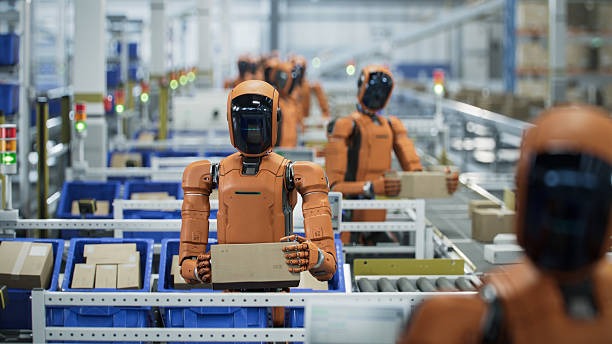
The future workforce requires flexibility and the desire to be an ever-learner. Adaptability is being flexible and ready to adapt fast to change in terms of roles, tools or environments. The agility of learning refers to the skill of mastering new proficiency and using these capabilities.
The ability to do so by developing these traits gives you the confidence to work in the uncertain world. Employees that are always inquisitive and ready to develop are always competitive and they are able to exploit new opportunities in various areas.
Cybersecurity Awareness
Due to the emergence of digital threats, cybersecurity knowledge is essential to every professional. Knowledge on data protection, identification of risks and privacy controls the security of organizations and individuals.
Some of the basic cybersecurity skills are password, phishing and safe internet usage. The complex jobs demand knowledge of network security and threat analysis. Cybersecurity awareness is not only beneficial in defending your work, but also in making you more valuable in the tech-driven sectors.
Project Management Skills
Project management is a skill that is in great demand in most professions. Project management entails planning, organizing as well as controlling activities to achieve deadlines and budgets. Knowledge of such methodologies as Agile or Scrum may enhance the productivity of the team and the final results of the project.
Good project managers maintain fidelity and make teams attain objectives. The study of project management skills will assist you in managing projects successfully and making businesses successful.
Cross-Cultural Competence
The concept of globalization demands that professionals can operate efficiently across cultures and boundaries. Cross-cultural competence implies the awareness of different views, communication patterns, and work ethics.
The ability enhances the teamwork aspect of working in an international group and customer relationships across the globe. Cultural awareness will help in building inclusiveness and adaptability, which will be very important in the job markets of tomorrow that appreciate diversity and international relations.
Critical Thinking and Problem-Sensing
Critical thinking entails subjective analysis of information to draw rational conclusions. Employers appreciate employees with the ability to recognize the issues, weigh alternatives and put in place viable solutions.
having good problem solving skills will make sure that you are able to solve complex problems either alone or in a team. Training your thinking mind to be more analytical will equip you with the ability to respond to the need of any workplace in future with confidence and accuracy.
Remote Work and Online Cooperation
Telecommuting has now taken over in most sectors. There should be skills in the use of digital collaboration tools, virtual communication and time management. Being able to work effectively on virtual teams and ensure high levels of engagement and accountability enhances your employability.
The ability to cope with the dynamics of remote working can equip you with flexible work practices and integration of the global workforce, which are major trends in the 2025s and beyond.
Leadership and Influence
Leadership is not only an aspect of management but it is useful in any career level. Motivating, guiding and inspiring others helps in team success.
It is beneficial to develop influence and negotiation skills to promote ideas and change. Leadership competence builds great working atmosphere as well as promotes organizational interests. Developing leadership skills will make you a central contributor towards success in the job in the future.
Essential Skills to Learn for Future Jobs in 2025
| Skill Category | Key Competencies | Why It Matters |
| Digital Literacy | Cloud computing, software proficiency | Foundation for all modern jobs |
| Data Analytics | Data visualization, big data tools | Enables data-driven decisions |
| AI & Automation | Machine learning, robotics basics | Collaborate with evolving tech |
| Creativity & Innovation | Problem-solving, idea generation | Drives unique solutions |
| Emotional Intelligence | Empathy, communication | Enhances teamwork and leadership |
| Adaptability & Learning | Flexibility, quick skill acquisition | Thrives in changing environments |
| Cybersecurity Awareness | Risk recognition, data protection | Protects assets and reputation |
| Project Management | Planning, Agile, Scrum | Ensures project success |
| Cross-Cultural Competence | Cultural sensitivity, global teamwork | Supports diversity and inclusion |
| Critical Thinking | Analysis, decision-making | Solves complex challenges |
| Remote Work Skills | Digital collaboration, time management | Supports flexible work styles |
| Leadership & Influence | Motivation, negotiation | Drives team and organizational success |
Conclusion
Career development and stability must be focused on the most appropriate skills to acquire in the future 2025. Technical skills enhanced with soft skills such as creativity, communication and flexibility will equip you with a highly dynamic workforce.
The only way of staying competitive is to embrace lifelong learning and keep up with the trends in the industry. These core competencies make you be ready to succeed in the changing job market in 2025 and beyond.
FAQs
Question 1: Which are the most significant skills to develop to work in the future in 2025?
Among the essential skills, there are such ones: digital literacy, knowledge of data analytics and artificial intelligence, creativity, emotional intelligence, adaptability, and awareness of cybersecurity. These are technical and soft skills that are needed to adapt to the changing job markets.
Q2: What can I do to become an adaptive and learning-agile person?
Be curious, changeable, pursue other challenges and never stop learning by taking online courses, attending workshops, or self-directed learning. Adaptability is also improved in being open to feedback.
Q3: What are the reasons why soft skills such as emotional intelligence are vital in careers in the future?
The soft skills enhance teamwork, leadership and communication. Emotional intelligence enables in the management of relationships and stress, which are essential in working collaboration and remotely.
Q4: Do we need technical proficiency such as AI and data analytics to do any job?
Although not all jobs involve the profound technical knowledge, having some background knowledge of AI and data will also make you work and be competitive in most sectors.
Q5: What should I do to become a better remote worker?
Learn how to work with digital collaboration tools, establish effective working schedules, communicate efficiently, and become a good time manager in order to be more productive and engage more during the remote working.